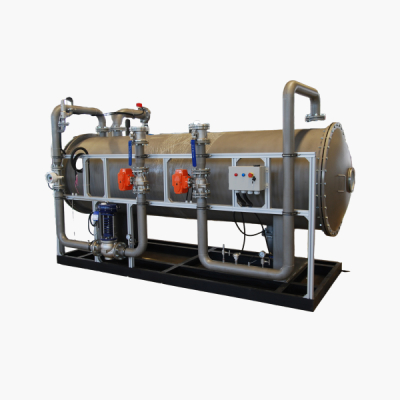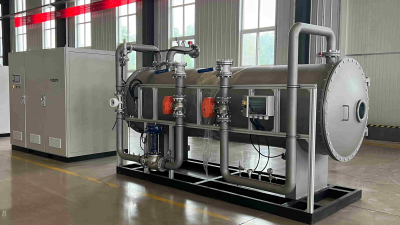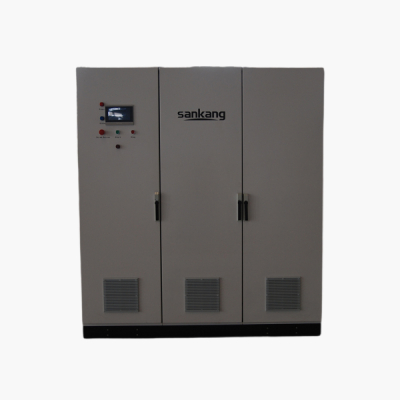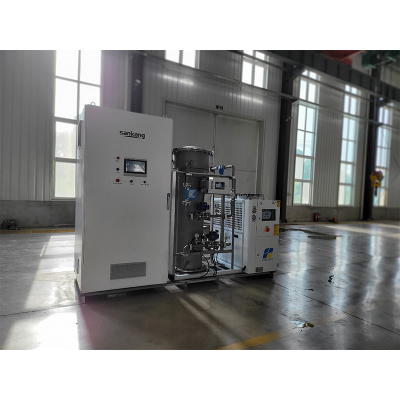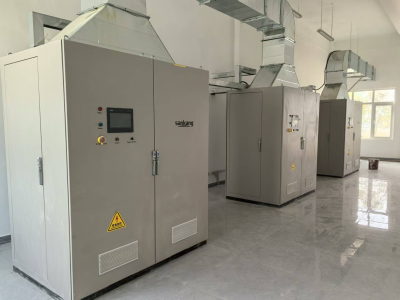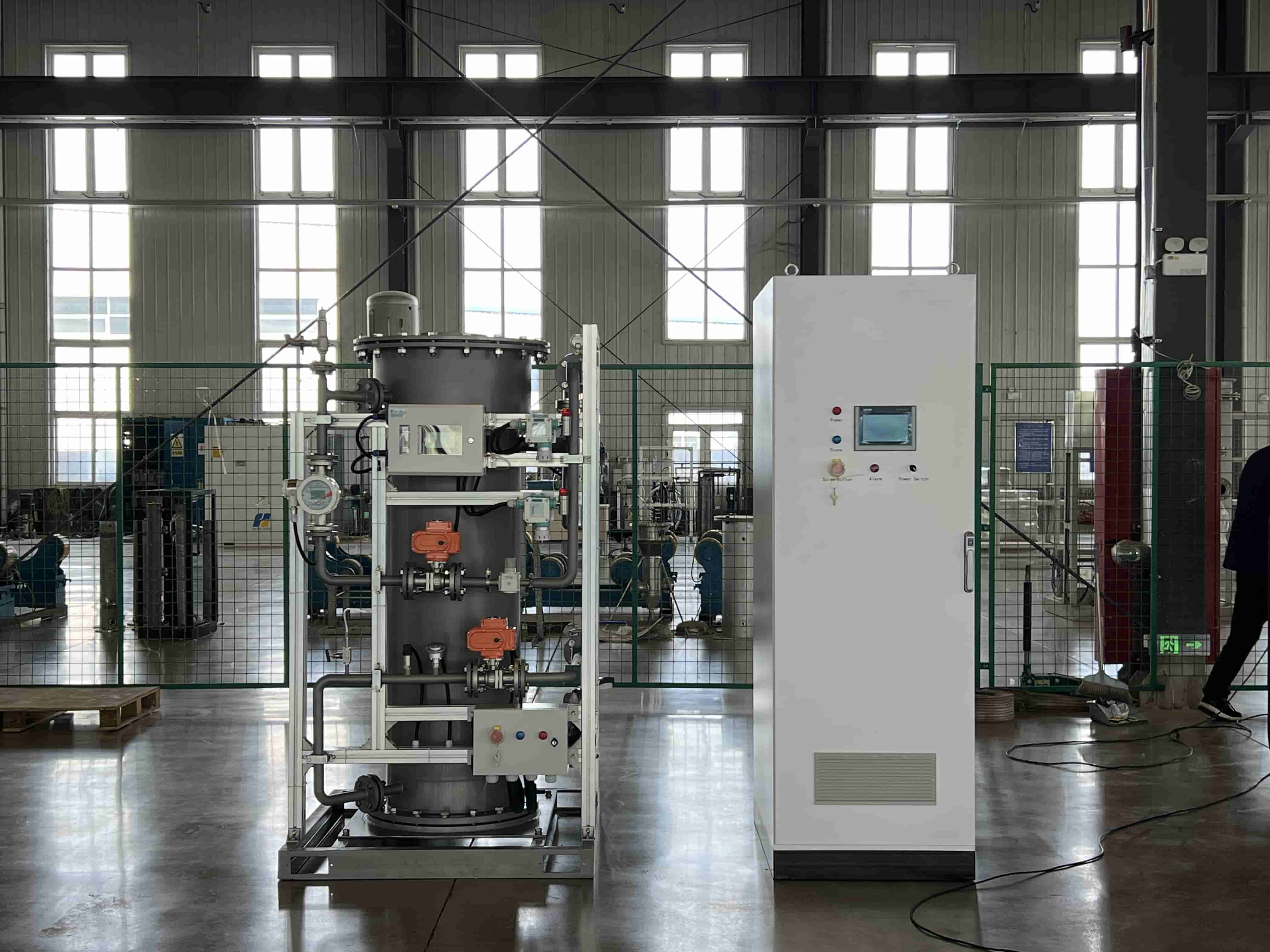
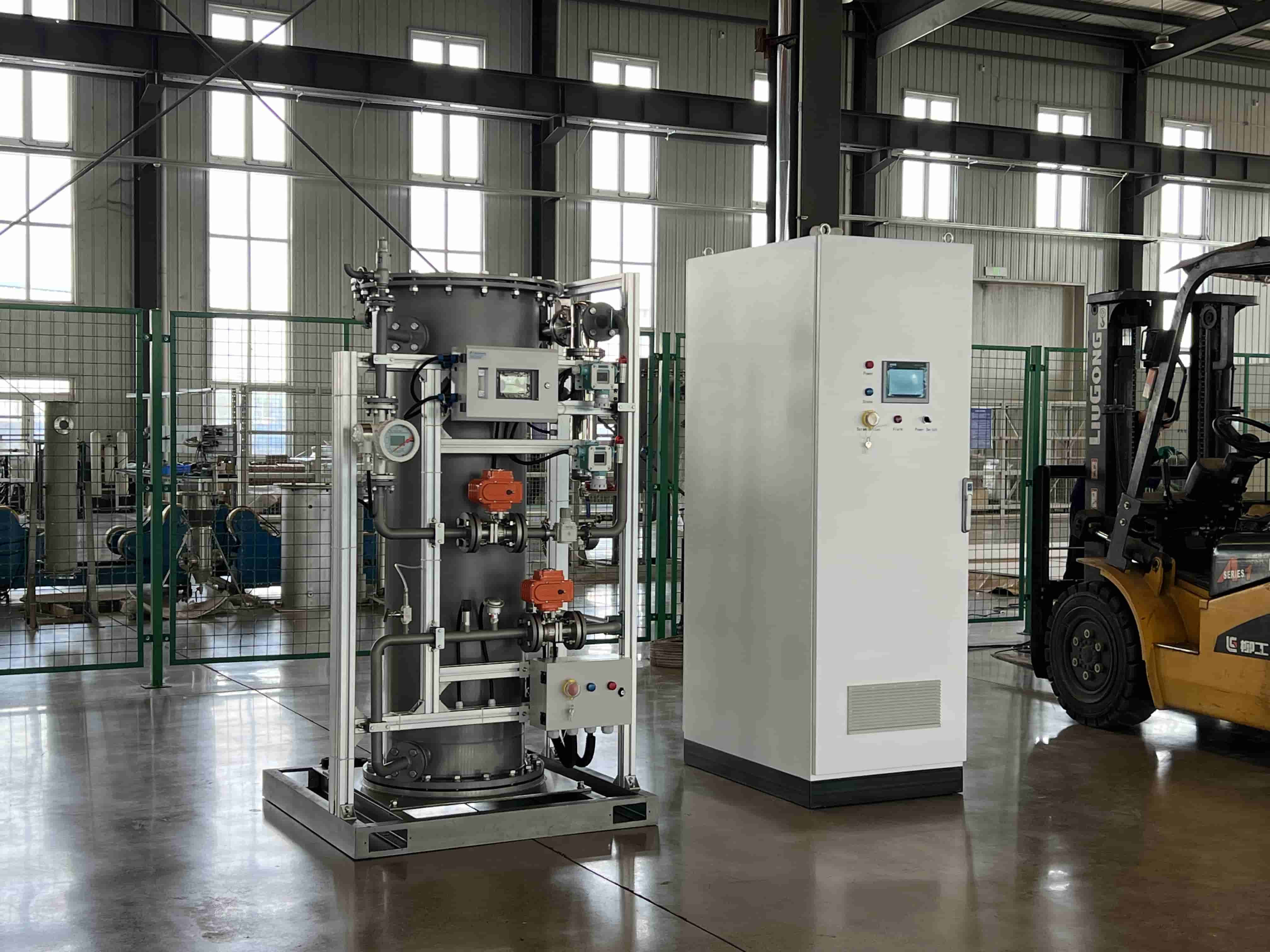
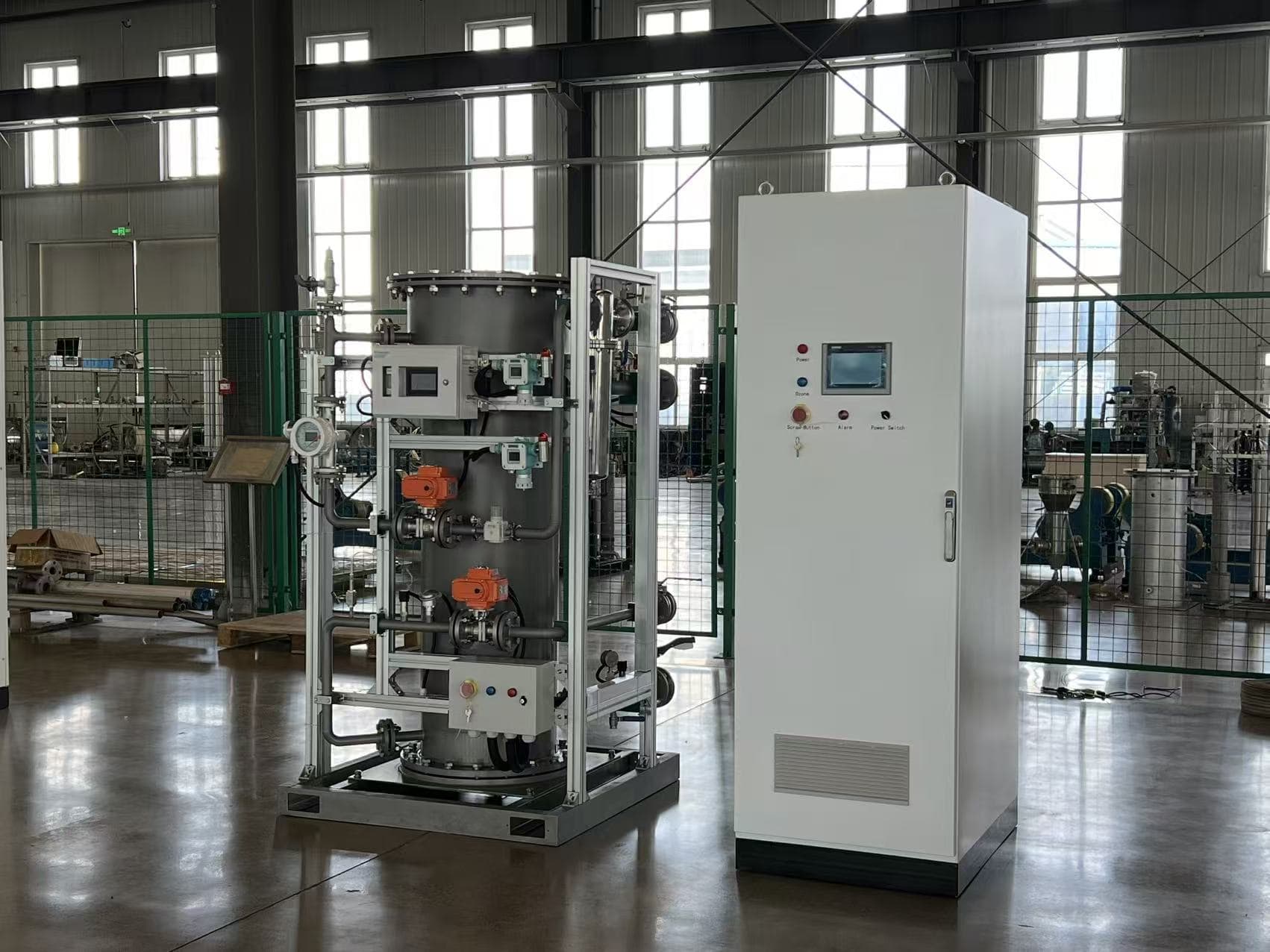
5KG Ozone Generator Equipment
# 5KG Ozone Generator Equipment: Core Equipment for Industrial Oxidation and Disinfection
Ozone (O₃), as a strong oxidizing gas, is widely used in water treatment, air purification, and industrial oxidation due to its efficiency and residue-free characteristics. Among them, the ozone generator with a production capacity of 5KG/hour has become a key piece of equipment in industrial settings due to its stable performance and large-scale processing capability. This article will analyze the technical value and industry practice of the 5KG ozone generator from four aspects: technical principles, core parameters, application scenarios, and maintenance points.
### 1. Technical Principle: High-Efficiency Production Dominated by Corona Discharge
The 5KG ozone generator generally uses the corona discharge method. Its core principle is to form a corona in the space between electrodes through a high-voltage electric field (typically 4-5KV), which breaks oxygen molecules (O₂) into oxygen atoms (O), which then combine with oxygen molecules to form ozone (O₃). This technology requires dry, pure gas sources (such as compressed air or oxygen) to ensure the stability of ozone output and concentration. Some high-end equipment uses German Siemens rectifier-inverter technology, combined with specially made glass dielectric tubes and stainless steel high-voltage electrodes, achieving a maintenance-free electrode structure for life and significantly improving equipment durability.
### 2. Core Parameters: Performance Indicators Determine Application Boundaries
The technical parameters of the 5KG ozone generator directly affect its applicable scenarios and treatment efficiency. Typical configurations are as follows:
1. **Ozone Output and Concentration**
The equipment has a rated output of 5 kg/h, and the ozone concentration range varies depending on the gas source type:
- Air source: 20-40 mg/L, suitable for scenarios with lower concentration requirements (such as industrial wastewater pretreatment);
- Oxygen source: 80-150 mg/L, meeting high concentration demands (such as flue gas denitrification and pulp bleaching).
Some equipment supports customized concentrations, with a maximum of 180 mg/L to meet special process requirements.
2. **Gas Source and Cooling System**
The equipment supports dual-mode operation with air or oxygen sources. Oxygen source requires a dedicated oxygen generator or liquid oxygen tank, with a purity of at least 92%. The cooling system uses a water-cooled design, with a typical cooling water flow of 7.5-15 m³/h, and inlet water temperature must be controlled at ≤25°C to ensure stable operation of the discharge tube.
3. **Electrical and Control Configuration**
The power supply is three-phase 380V/50Hz, rated power approximately 80-100 kW, equipped with an imported digital control power supply providing three main functions: voltage stabilization, frequency conversion, and voltage boosting. The PLC automation control system can monitor ozone concentration, gas source pressure, cooling water temperature, and other parameters in real time, and supports 4-20 mA signal output for unattended operation.
4. **Structure and Materials**
The main body of the equipment is made of 304 stainless steel, with the ozone-contact parts of the discharge chamber upgraded to 316L stainless steel to resist ozone corrosion. The discharge elements are arranged in a honeycomb pattern, and each set of high-voltage electrodes is equipped with an independent fuse to ensure overall reliability of the discharge chamber.
### 3. Application Scenarios: Covering Oxidation Needs Across the Entire Industrial Chain
The large-scale processing capacity of the 5 KG ozone generator makes it a preferred equipment for oxidation and disinfection across multiple industries:
1. **Water Treatment Field**
- Municipal Wastewater: Decompose heavy metals (such as iron and manganese) and organic pollutants through ozone oxidation, improving reclaimed water reuse rates;
- Drinking Water Disinfection: Replace chlorine disinfection to avoid the formation of by-products such as trihalomethanes, ensuring water quality safety;
- Industrial Wastewater: Treat high-concentration wastewater in chemical, pharmaceutical, and dyeing industries, reducing COD (Chemical Oxygen Demand) and color.
2. **Exhaust Gas Treatment and Denitrification**
In scenarios such as thermal power plants and brick factories, ozone can oxidize nitrogen oxides (NOx) and sulfur dioxide (SO₂) in flue gas, forming water-soluble nitrates and sulfates, achieving compliant emissions. For example, after adopting a 5KG ozone generator at a thermal power plant, the denitrification efficiency increased to over 85%.
3. **Industrial Oxidation and Bleaching**
The pulp industry uses ozone to replace chlorine for bleaching, which can increase pulp whiteness by 10%-15% while reducing wastewater toxicity; in the chemical field, ozone is used to oxidize intermediate compounds (such as ethylene oxide), enhancing reaction selectivity.
4. **Food and Agriculture Applications**
In fruit and vegetable preservation, ozone can inhibit microbial growth, extending shelf life by 30%-50%; in livestock and poultry farms, ozone disinfection reduces animal morbidity and decreases antibiotic usage.
### 4. Maintenance Key Points: Practices to Extend Equipment Life
To ensure long-term stable operation of a 5KG ozone generator, a full-cycle maintenance system needs to be established:
1. **Daily Maintenance**
- Wipe the equipment exterior daily, check indicator lights and operating sounds;
- Clean the filters weekly, and check whether the air supply pipeline connections are secure;
- Clean the electrode plate surface with alcohol swabs monthly to remove dirt and avoid reduced discharge efficiency.
2. **In-Depth Maintenance**
- Check the aging of electrical circuits every quarter and measure key component parameters with a multimeter;
- Calibrate the ozone concentration sensor every six months, and recalibrate if the deviation exceeds 5%;
- Replace lubricating oil for moving parts and refill the cooling system with antifreeze every year.
3. **Troubleshooting**
If the device produces insufficient ozone, prioritize checking the purity of the gas source and the temperature of the cooling water; if frequent trips occur, investigate whether the discharge tube is broken down or if the fuse has blown.