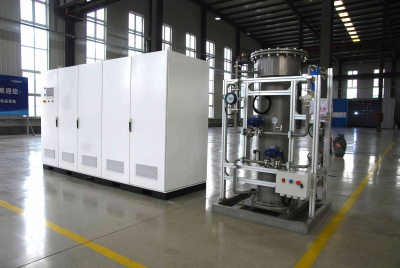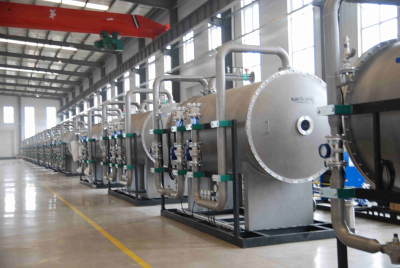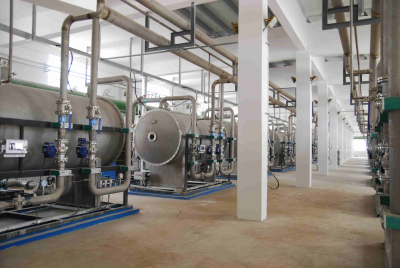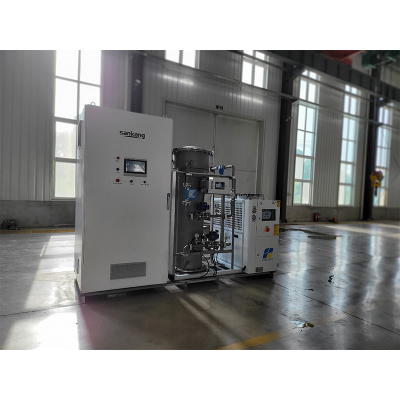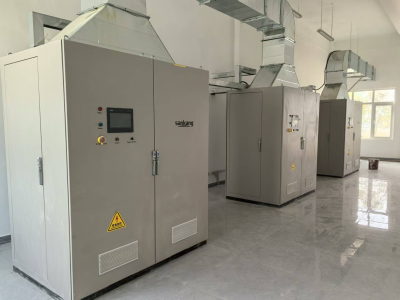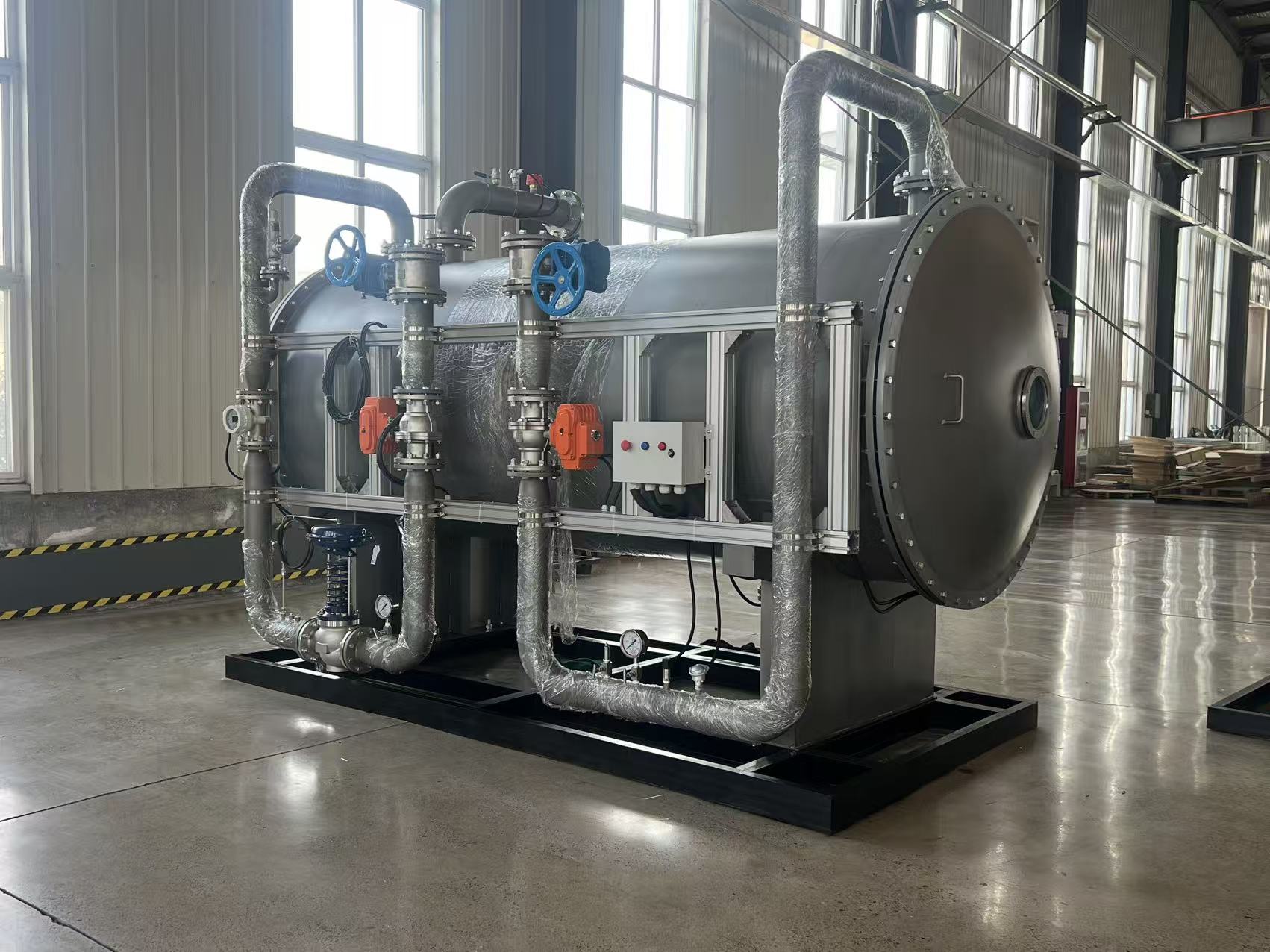
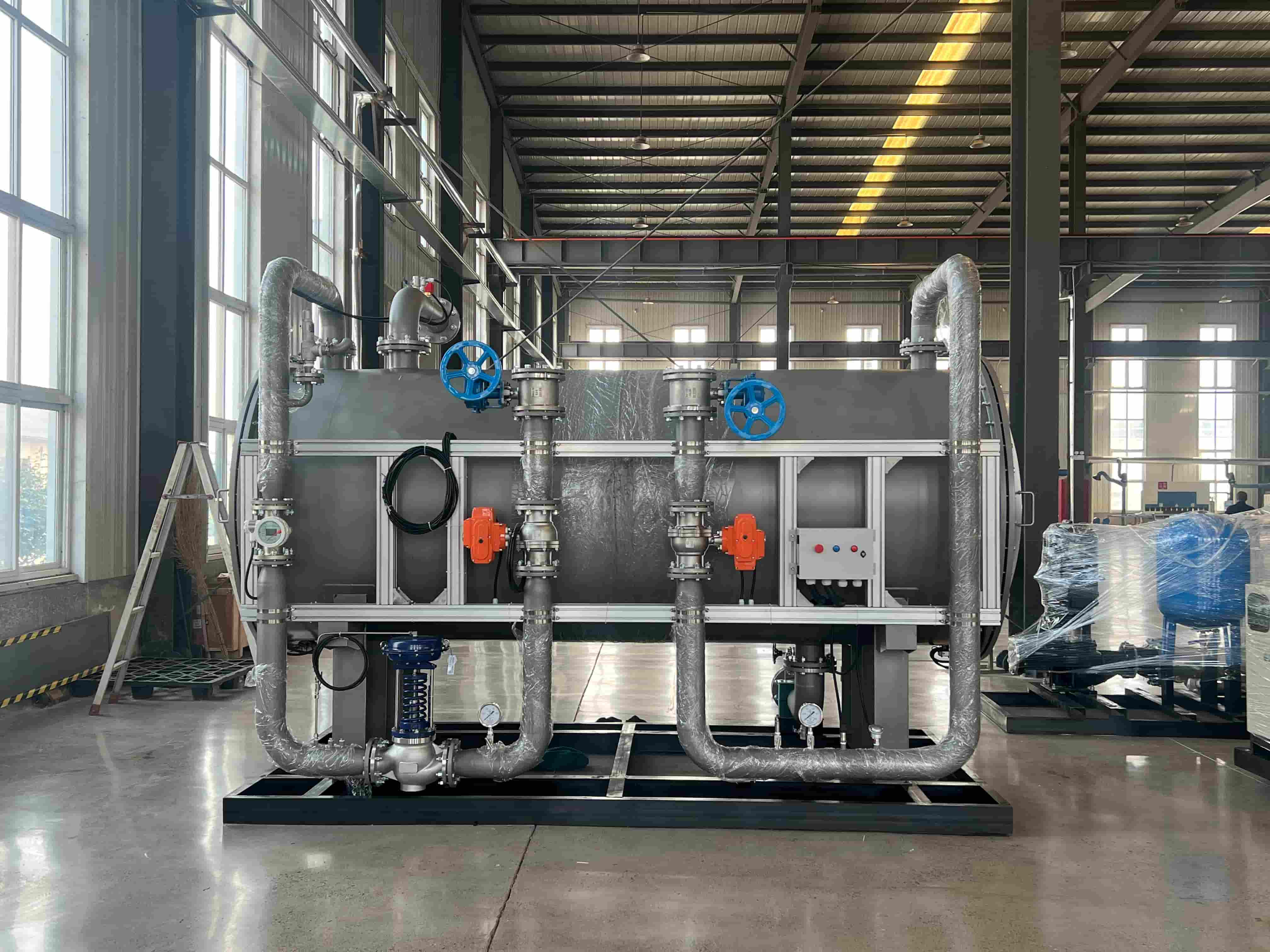
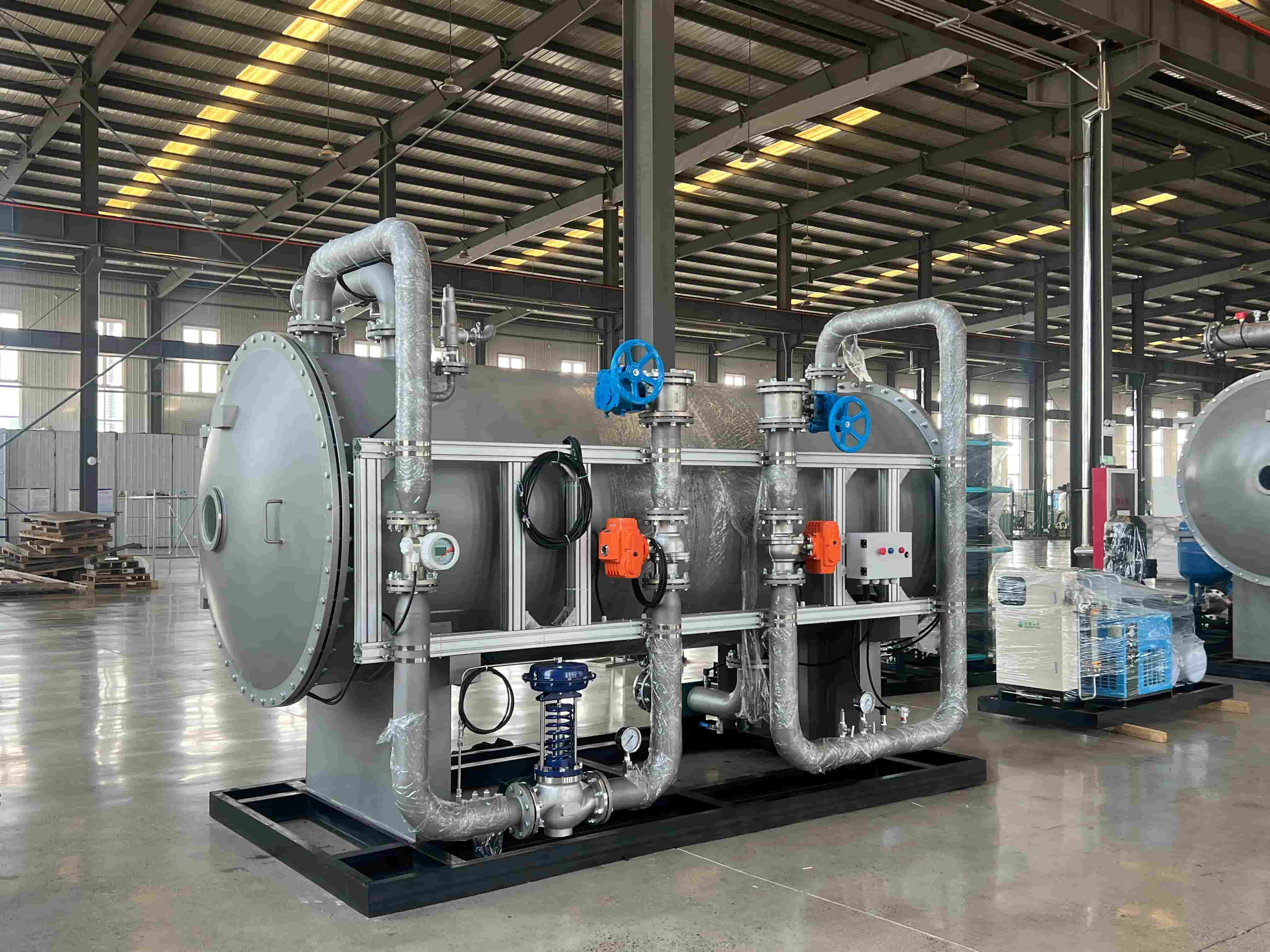
90KG/h Ozone Generator
In industrial wastewater treatment plants, large cold chain storage centers, or urban drinking water purification bases, a metal device labeled '90KG/h' is converting oxygen in the air into highly oxidative ozone molecules through high-frequency discharges tens of thousands of times per second. This industrial-grade equipment, capable of steadily producing 90 kilograms of ozone per hour, is becoming a core piece of equipment in modern environmental protection and public health. Its technological breakthroughs and expanding application scenarios are redefining the boundaries of industrial disinfection and pollution control.
## 1. Core Technology: Precise Control from Electric Field to Molecules
The core of the 90KG/h ozone generator lies in its micro-gap dielectric barrier discharge (DBD) technology. When the high-frequency high-voltage power supply (3-6kHz) raises the voltage to 6-8 kV, a uniform corona field forms on the surface of the quartz dielectric layer inside the discharge tube. Oxygen molecules are ionized in this electric field, breaking down into individual oxygen atoms, which then combine with non-ionized oxygen molecules to form ozone (O₃). This process repeats millions of times per second, ultimately producing ozone gas with a concentration of up to 12% in the discharge gap.
To maintain efficient conversion, the equipment uses a dual-loop cooling system: the inner loop directly cools the discharge tube with deionized water, keeping the chamber temperature below 25℃; the outer loop uses an air-cooled module to remove residual heat, preventing gap changes due to thermal expansion of the dielectric material. This design increases ozone output by 40% compared to traditional devices while reducing energy consumption to below 8 kW·h/kgO₃, reaching international advanced levels.
## 2. Industrial Applications: Full Coverage from Water Treatment to Space Sterilization
In drinking water treatment, the 90KG/h ozone generator can meet the daily processing needs of water plants at 500,000 tons per day. At a dosage of 2-3 mg/L, it can completely decompose pesticide residues, antibiotics, and endocrine disruptors in water within 10 minutes, while reducing residual chlorine concentration to below 0.05 mg/L. Data from a Beijing water plant show that after adopting an ozone-activated carbon advanced treatment process, the trichloromethane content in the finished water decreased by 82%, and microbial indicators surpassed EU standards.
Industrial wastewater treatment is another major application. In dyeing wastewater, the strong oxidizing ability of ozone can destroy chromophore groups in dye molecules, increasing the COD removal rate to over 75%. A chemical fiber company, after using an ozone oxidation and membrane bioreactor combined process, improved wastewater reuse from 60% to 90%, saving over ten million yuan in annual water costs.
In the field of space sterilization, the device can process 100,000 cubic meters of air per hour. In cold chain logistics centers, maintaining an ozone concentration of 5ppm can kill 99.99% of coronavirus and Listeria within 30 minutes, without the risk of chemical residues. After installation at a food import storage base in Shanghai, product damage rates dropped by 60%, and customer complaints were eliminated.