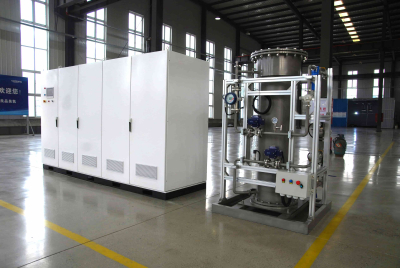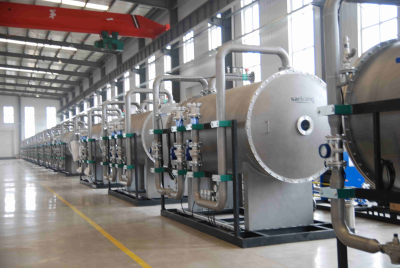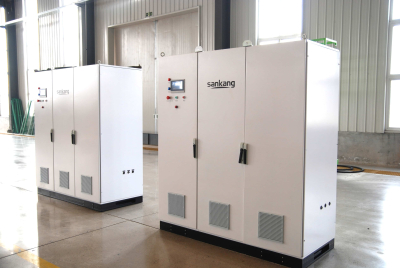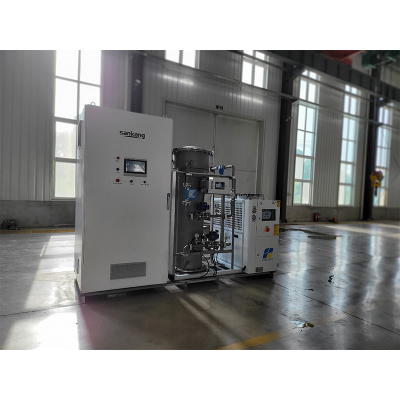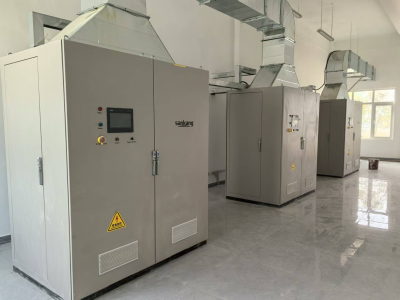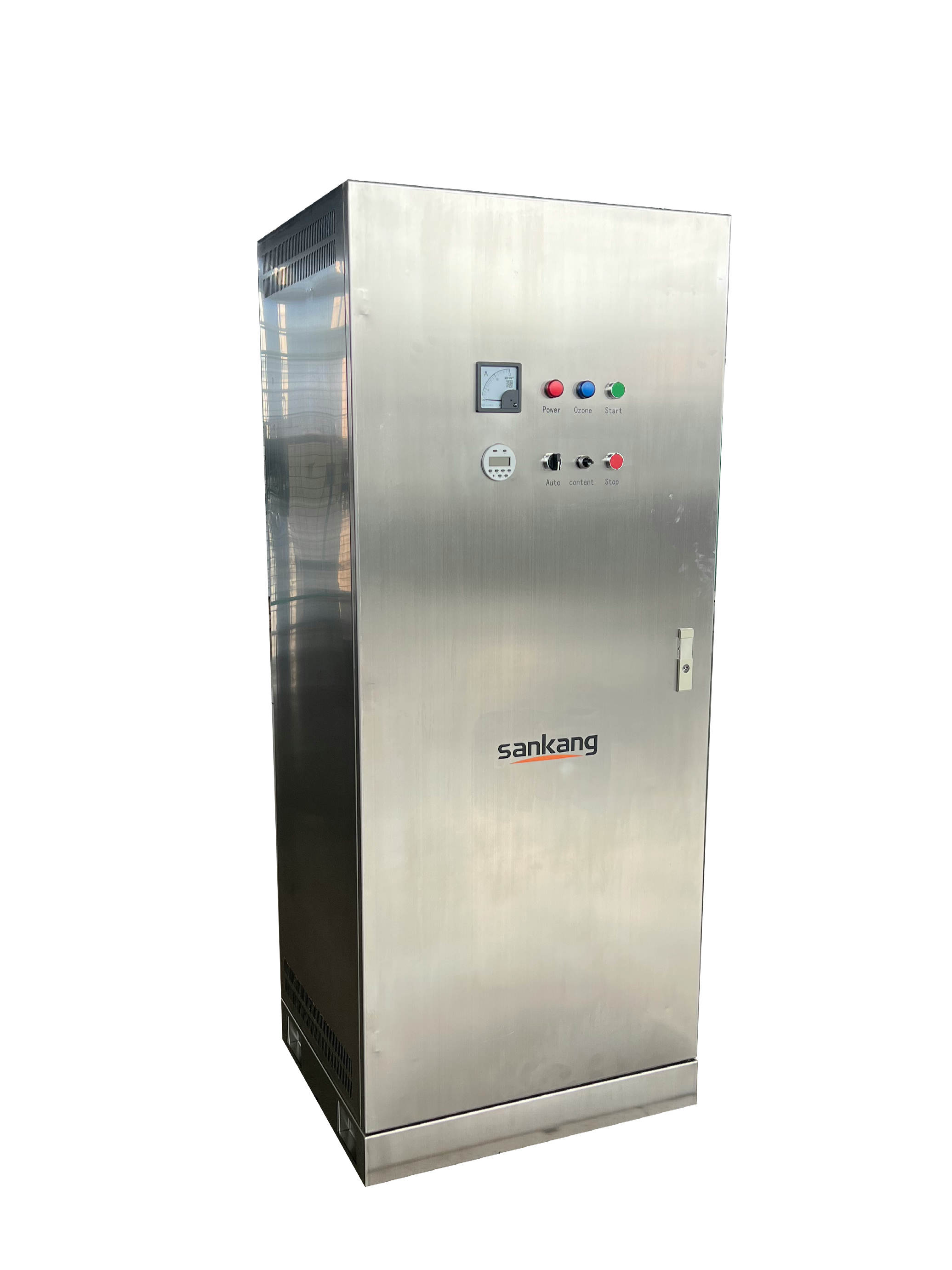
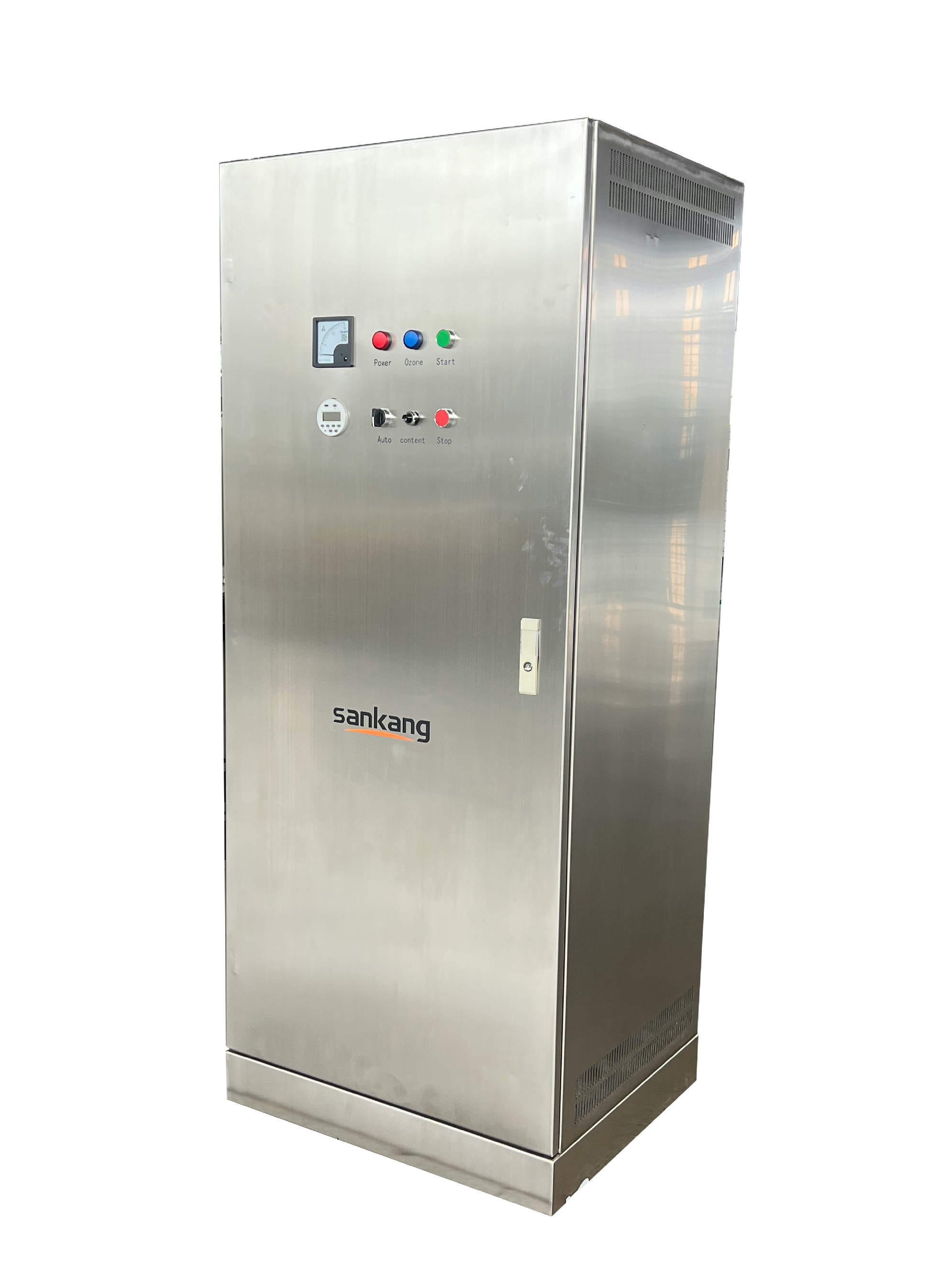
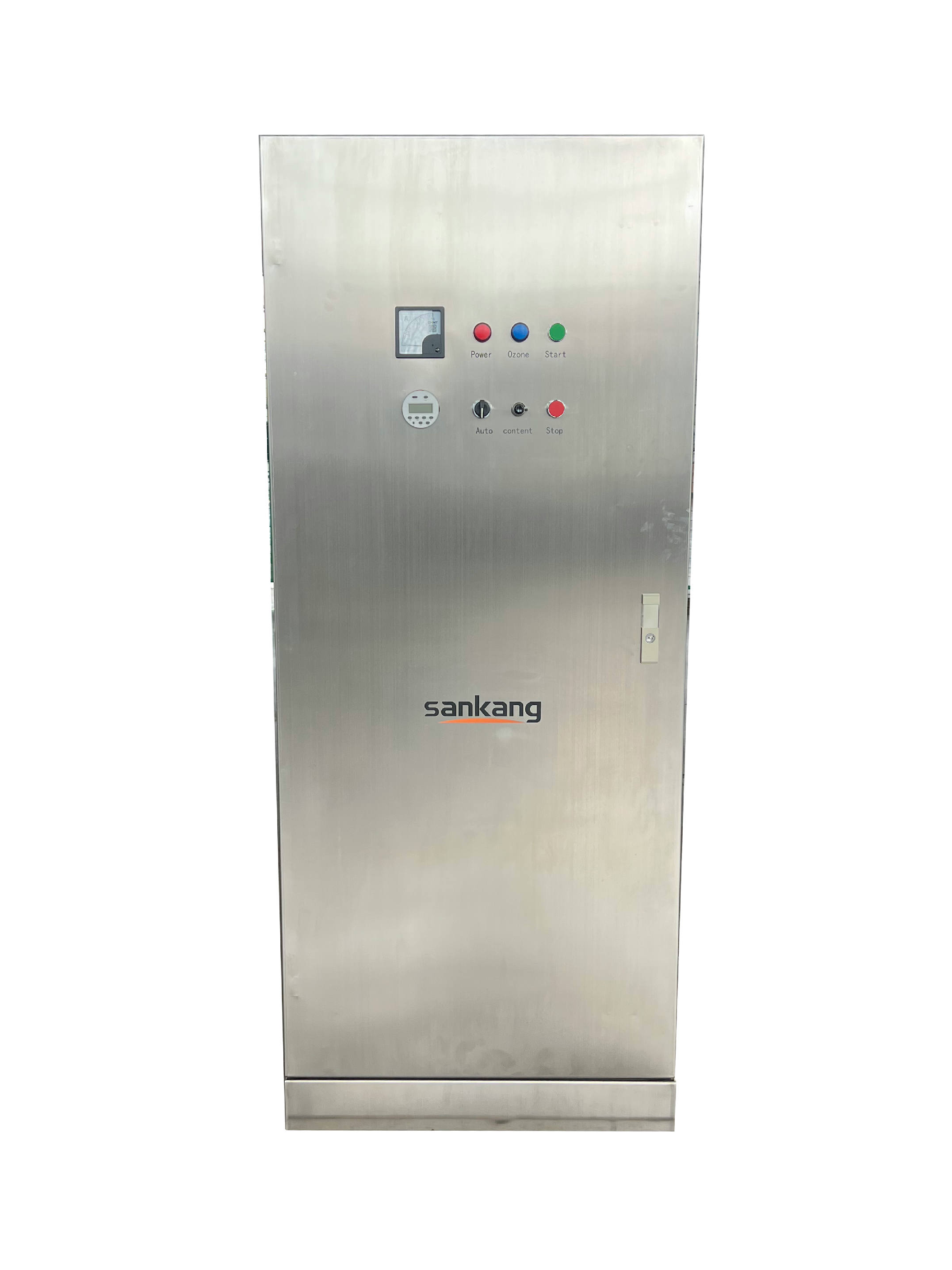
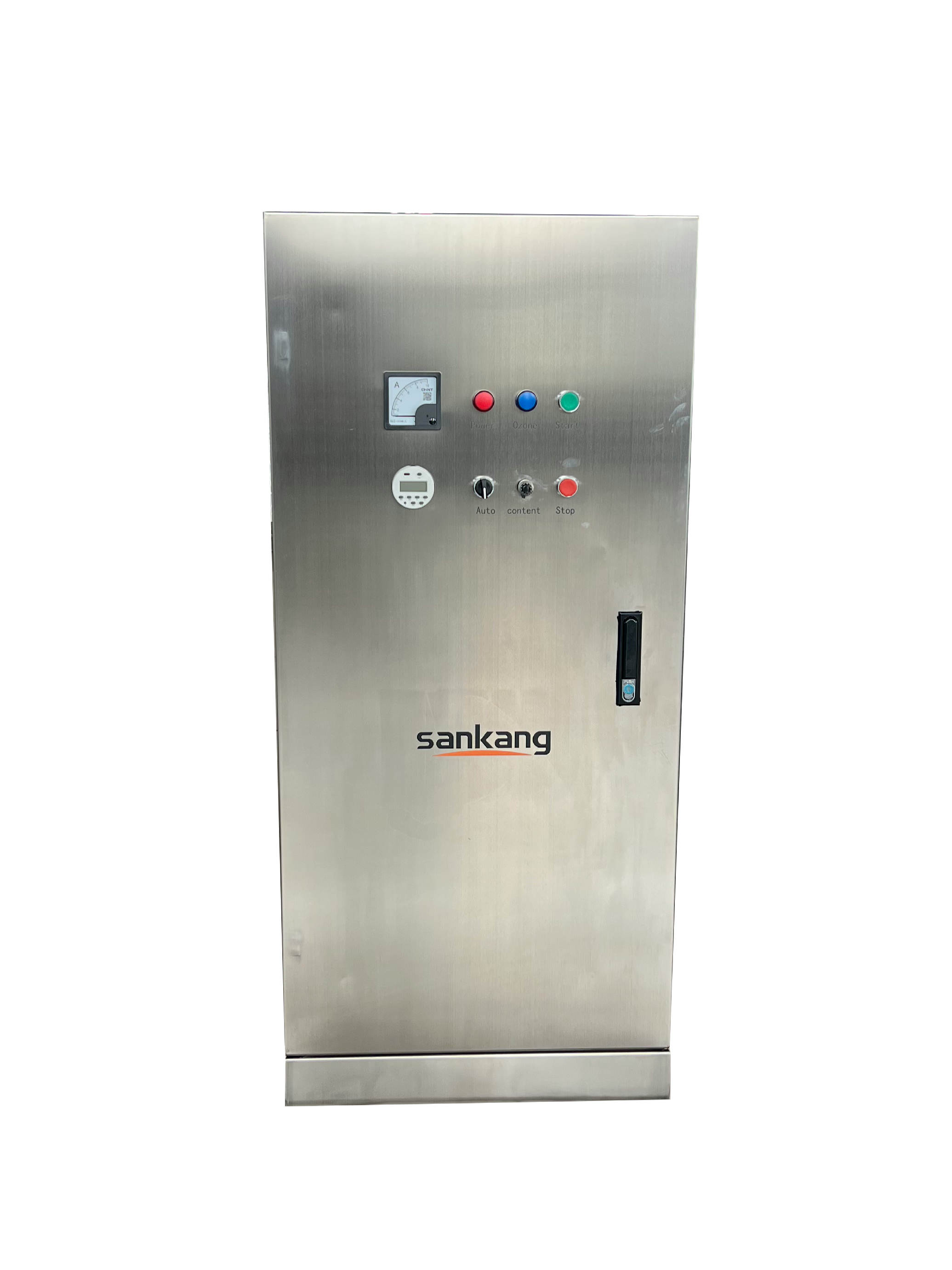
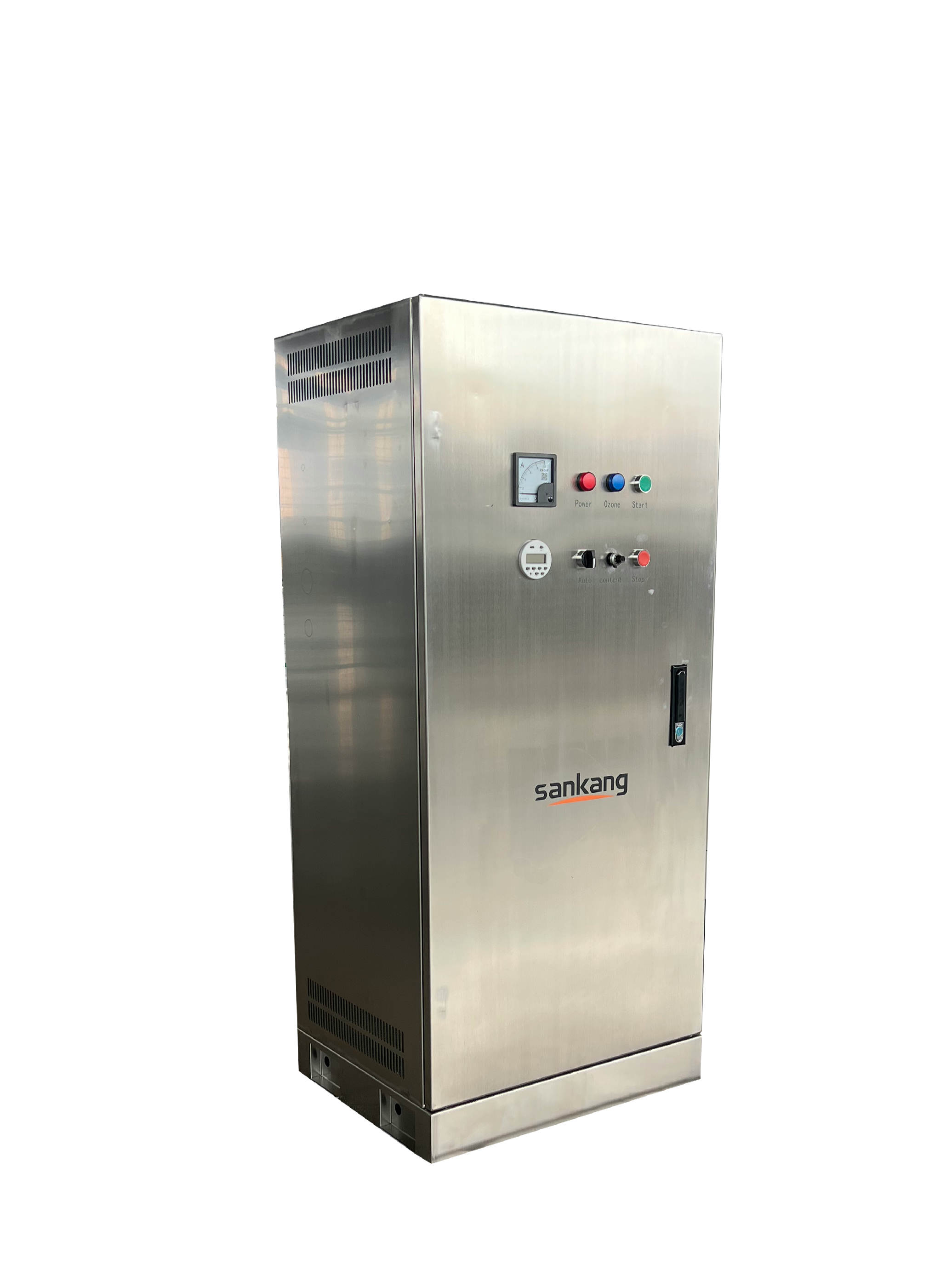
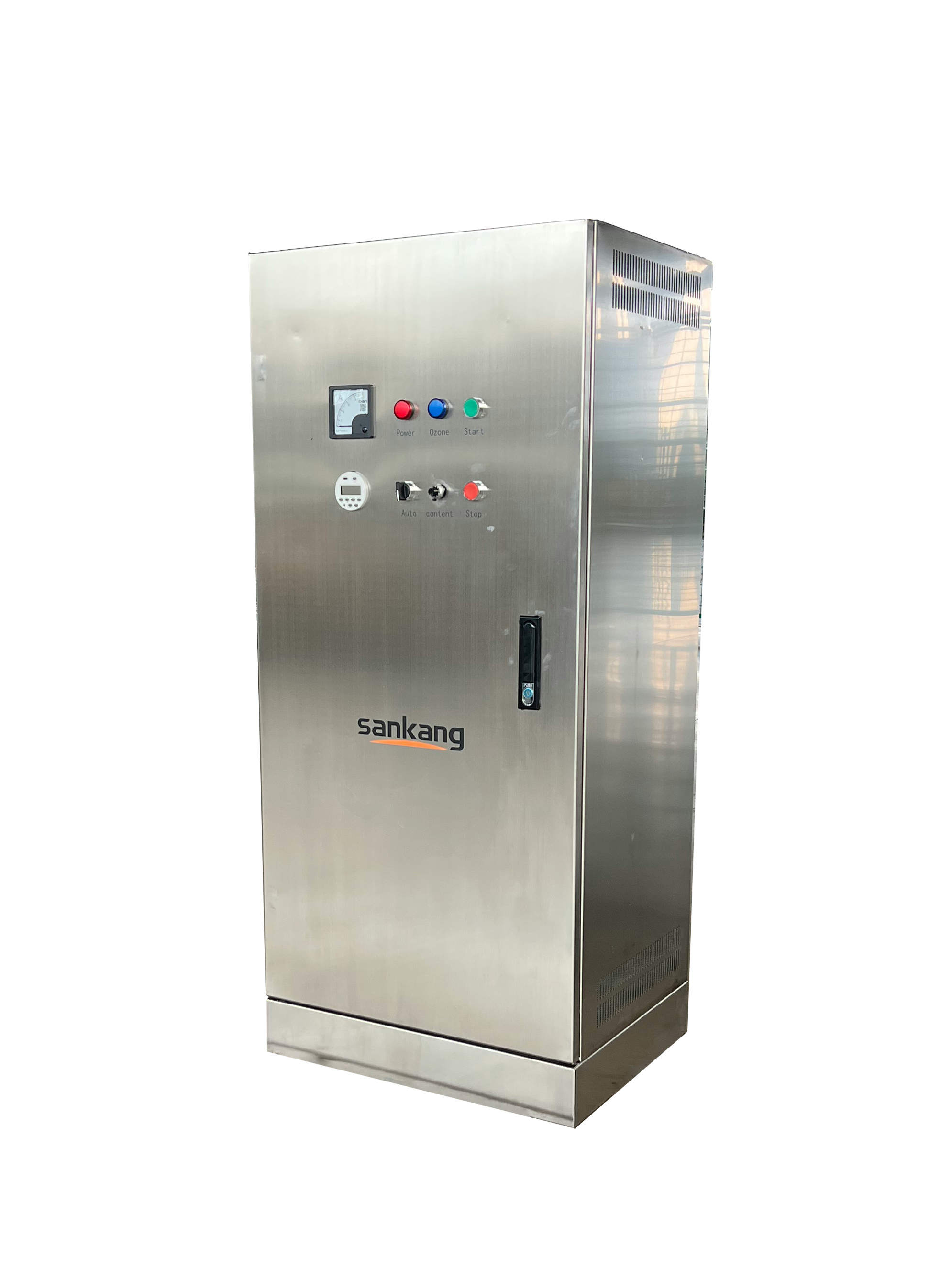
Pipeline Disinfection Ozone Generator
Pipeline-type ozone generators for disinfection are devices that integrate an ozone generation unit directly into a pipeline system to disinfect flowing water or air online. Based on their working principles and application scenarios, they can mainly be divided into two categories: for water disinfection and for air/gas disinfection.
Water Disinfection Type: Direct Electrolysis to Produce Ozone Water
These devices are usually installed on water supply pipelines and use electrolysis technology to directly convert water into ozone water, achieving immediate disinfection of both the inside of the pipes and the outgoing water.
Working Principle: Mainly uses low-voltage direct-current electrolysis technology. The device contains a specially designed electrolytic membrane (such as a semiconductor membrane); when powered, it directly electrolyzes water molecules (H₂O) to produce ozone (O₃), which quickly dissolves in water to form high-concentration ozone water.
Technical Features:
High Dissolution Rate: Compared with traditional methods of injecting ozone gas into water, direct electrolysis technology can increase the dissolution rate of ozone in water by more than 10 times.
Instant Use: The device works in conjunction with the water flow, starting electrolysis immediately when water passes through, with no waiting required, achieving rapid disinfection with a sterilization rate of ≥99.99%.
No Secondary Pollution: After ozone water disinfection, it automatically decomposes into oxygen, leaving no harmful residues.
Core Parameters (using dental medical equipment as an example):
Ozone concentration: Usually controlled between 0.5-1.5 mg/L. This concentration range can meet national disinfection standards while ensuring safe use.
Inlet water pressure: Requires municipal tap water pressure, usually between 0.2-0.4 MPa.
Power: Relatively low, for example, one model has a power of only 48W.
Flow rate: Can meet the water demand of terminal equipment, e.g., ≥2L/min.
Application scenarios:
Medical field: Used for pipeline sterilization of dental treatment units to prevent waterborne cross-infection.
Public health: Installed under sinks in public restrooms to directly produce ozonated water for hand cleaning, countertop, and fruit and vegetable disinfection.
Drinking water treatment: Can be integrated into tap water pipelines or mineral water kettles to disinfect drinking water.
Air disinfection type: Produces ozone gas to sterilize pipelines.
This type of device combines an ozone generator with a ventilation duct system, producing ozone gas to sterilize the inside of the ducts and the air passing through the ducts.
Working principle: Usually generates ozone by corona discharge or ultraviolet irradiation. The produced ozone gas is directly sent into the pipeline or carried by the air from air conditioning or ventilation systems to the designated area for disinfection.
Technical features:
Thorough Sterilization: Ozone gas can fill every corner inside the pipes, killing bacteria and viruses with remarkable effectiveness.
No Residue: Unlike chemical disinfectants such as alcohol, ozone decomposes into oxygen after disinfection, leaving no residue. It is especially suitable for places with strict residue requirements (such as pharmaceutical workshops).
High Safety: Some equipment is designed with intelligent control systems that continuously monitor ozone concentration in the pipes after disinfection. Exhaust is only allowed when levels are below the emission standard, avoiding environmental pollution.
Technical Parameters Example (Medical Pipeline Disinfectors):
Rapid Effect: Within 3 minutes of starting the ozone generator, the ozone concentration in the disinfected pipes can reach 112 mg/m³.
Good Sealing: During disinfection, the ozone concentration in the outside air of the pipes is only up to 0.07 mg/m³, far below levels harmful to humans, indicating excellent equipment sealing.
Combined Disinfection: Some high-end equipment uses a combination of ozone and hydrogen peroxide mist, achieving high-efficiency disinfection requirements within 60 minutes (killing more than 99.9% of Bacillus subtilis var. niger spores).
Application Scenarios:
Medical and Pharmaceutical: Used for disinfecting the internal pipes of medical instruments and sterilizing pipes and containers in pharmaceutical workshops, replacing traditional alcohol disinfection.
Central Air Conditioning Systems: Installed in the supply or return air ducts of central air conditioning, using the air flow as a carrier to disinfect air in large areas.
Agriculture and Food Processing: Sterilization of food processing pipelines, agricultural irrigation systems, and more.