Ozone Generator for Swimming Pool Disinfection: A Comprehensive Overview
Introduction
Ozone (O₃) has emerged as a powerful and efficient solution for swimming pool water treatment, offering a superior alternative or complement to traditional chemical disinfectants . Used extensively in Europe for decades to treat public water and swimming pools, ozone is a highly reactive form of oxygen and one of the strongest disinfectants available .
How Ozone Works
Ozone is a powerful oxidizing agent formed when oxygen molecules (O₂) are split by high-energy electrical discharges—similar to the natural process that occurs during lightning strikes . The resulting individual oxygen atoms combine with O₂ molecules to form ozone (O₃) .
Ozone can be generated using two primary methods:
Corona Discharge (CD): Air passes through an electrically charged chamber where a controlled "lightning storm" creates ozone. This method produces higher concentrations and is preferred for larger pools .
Ultraviolet (UV) Radiation: Air passes near UV lamps, which excite oxygen to form ozone. This produces lower concentrations, making it ideal for spas and smaller applications .
Once generated, ozone is dissolved into the water through injection systems, where it eliminates bacteria, viruses, fungi, and algae . After completing its sanitizing work, ozone reverts back to pure oxygen, leaving no harmful residues .
Key Advantages of Ozone Treatment
1. Superior Disinfection Power
Ozone is up to 100 times more effective than chlorine and works approximately 500 times faster at eliminating contaminants . It can kill bacteria like E. coli 25 times more effectively than traditional chlorine treatments .
2. Elimination of Chloramines
One of the most significant benefits of ozone treatment is its ability to oxidize urea, ammonia, and chloramines—the compounds responsible for eye irritation, skin discomfort, and the characteristic "chlorine smell" associated with pools . By destroying these precursors, ozone dramatically improves swimmer comfort and air quality .
3. Reduced Chemical Usage
When used in conjunction with chlorine or bromine, ozone can reduce the amount of these chemicals needed by up to 80-95% . This reduction minimizes chemical exposure for swimmers and lowers overall operating costs .
4. Enhanced Water Quality
Ozone acts as a micro-flocculant, helping to aggregate fine particles that can then be captured by the filtration system . This results in exceptionally clear, sparkling water with improved taste and odor .
5. Environmentally Friendly
Ozone generate no harmful byproducts and does not increase total dissolved solids (TDS) levels in pool water . Its decomposition back into oxygen makes it the most environmentally friendly antimicrobial oxidizer available .
System Components and Integration
A typical ozone treatment system for swimming pools includes:
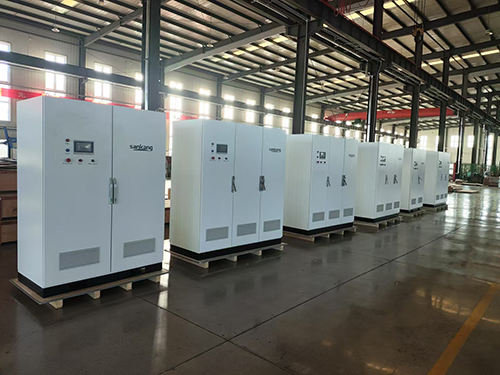
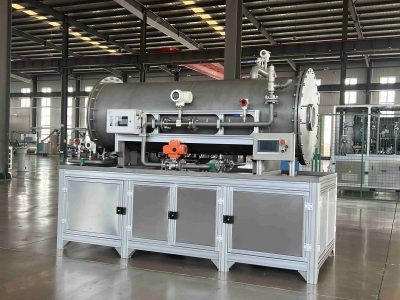
Ozone Generator: Produces ozone using either corona discharge or UV technology
Injection Assembly: Introduces ozone into the water stream, often using venturi injectors
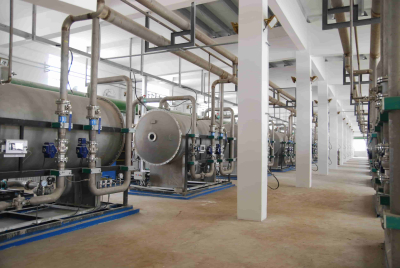
Contact Tank: Allows sufficient time for ozone to react with contaminants
Monitoring and Control Systems: Ensure proper ozone levels and system safety
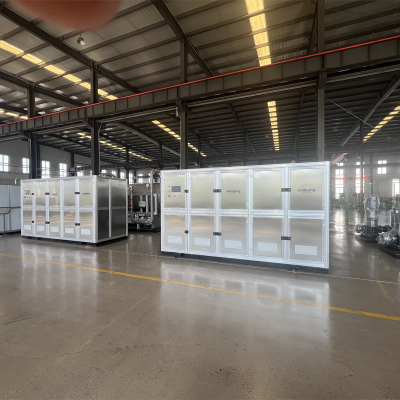
Modern ozone systems are available as complete, skid-mounted solutions that can be easily integrated into existing pool filtration systems . Compact units with variable ozone outputs (ranging from 1-70 g/h or higher) can accommodate pools of various sizes, from residential spas to large commercial waterparks .
Advanced Oxidation Processes (AOP)
Recent innovations combine ozone with UV light or other technologies to generate hydroxyl radicals—the most potent oxidation agents available . This Advanced Oxidation Process (AOP) provides an additional layer of sanitization, effectively destroying organic contaminants and breaking down chloramines with exceptional efficiency .
Considerations and Maintenance
While ozone generator offer numerous benefits, they require:
Proper Sizing: Selecting the appropriate ozone generator based on pool volume and bather load
Regular Maintenance: Periodic cleaning of venturi injectors to prevent clogging from oxidized minerals
Consistent Pump Operation: Ozone effectiveness depends on continuous water circulation through the treatment system
Conclusion
Ozone treatment represents a significant advancement in swimming pool sanitation technology. By providing powerful disinfection, reducing chemical dependency, and enhancing water quality, ozone systems offer pool owners and operators a sustainable, cost-effective solution for maintaining pristine pool water. Whether used as a secondary sanitizer alongside reduced chlorine levels or as part of an advanced oxidation system, ozone delivers superior water quality with improved swimmer comfort and environmental responsibility .