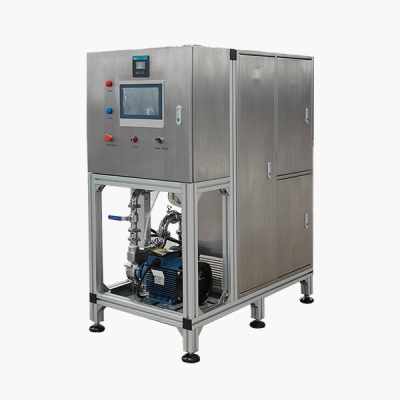
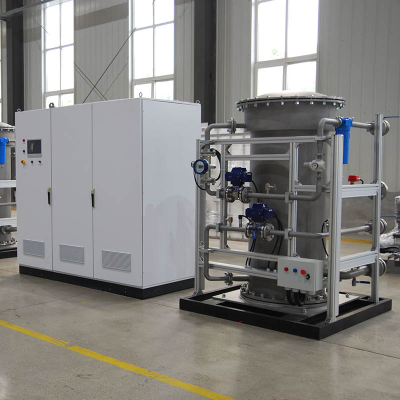
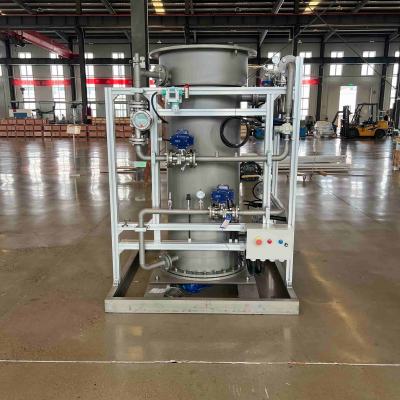
High‑Concentration Ozonated Water Technology – A Revolutionary Force in Green Oxidation, Driven by Ozone Generators
Introduction:
As environmental standards become increasingly stringent and the demand for cleanliness in high‑end manufacturing continues to rise, high‑concentration ozonated water (high‑concentration ozone water) is gaining widespread attention and application as an efficient, clean oxidation and disinfection technology. At the heart of this technology lies the ozone generator, which produces the high‑purity ozone gas essential for creating effective ozonated water solutions. This article provides a systematic overview of the technical principles, core advantages, and diverse application scenarios of high‑concentration ozonated water.
I. What Is High‑Concentration Ozonated Water?
High‑concentration ozonated water refers to an aqueous solution with strong oxidizing properties, produced by efficiently dissolving high‑concentration ozone gas into water. The core technology relies on high‑performance ozone generators to produce concentrated ozone, which is then thoroughly dissolved through advanced gas‑liquid mixing devices, resulting in functional water with exceptional sterilizing and oxidizing capabilities.
Currently, advanced international technologies can achieve ozonated water concentrations exceeding 400 mg/L. In China, even using conventional ozone generator, concentrations of 70–120 mg/L or higher can be attained. Ozone produced by high‑frequency, high‑voltage corona discharge using oxygen as the feed gas offers higher purity and better dissolution efficiency.
II. Core Advantages of High‑Concentration Ozonated Water
1. Extremely Potent Sterilisation and Disinfection
Ozone is a recognised broad‑spectrum, high‑efficiency disinfectant, with an oxidation‑reduction potential of 2.07 V – significantly higher than that of chlorine (1.36 V). At concentrations as low as 5 ppm, ozonated water exhibits powerful bactericidal effects. Under high‑concentration and high‑pressure conditions, ozone rapidly oxidises and inactivates viruses and bacteria, delivering fast and effective disinfection.
2. No Residue and No Secondary Pollution
The final decomposition products of ozone disinfection are oxygen and water, leaving no harmful residues. Compared with traditional chlorine‑based disinfectants, high‑concentration ozonated water avoids issues such as residual chlorine exceedance and the formation of hazardous by‑products.
3. Environmentally Friendly and Replaces Chemical Agents
High‑concentration ozonated water can replace large quantities of conventional chemical cleaners and disinfectants, substantially reducing the consumption and disposal costs of toxic chemicals. The entire system operates stably, producing no sludge or hazardous waste, and significantly lowering operational expenses.
4. Efficient Oxidation and Organic Degradation
Ozone reacts with nearly all organic pollutants in water, completely oxidising compounds that conventional oxidants cannot break down into carbon dioxide and water. In advanced oxidation processes, ozone generates a large number of hydroxyl radicals under catalysis, further enhancing its oxidation capacity.
III. Diverse Application Fields
1. Semiconductor and Electronics Manufacturing
High‑concentration ozonated water is increasingly used in cleaning semiconductor wafers and silicon chips. It effectively removes organic contaminants, photoresists, metal ions, and other nanoscale impurities from wafer surfaces. Compared to traditional chemical cleaning methods, ozonated water solutions are more environmentally friendly and eliminate the need for costly waste treatment. Today, high‑concentration ozonated water systems are regarded as "precision cleaning experts" in semiconductor production.
2. Advanced Treatment of Industrial Wastewater
Ozone‑based advanced oxidation processes have demonstrated outstanding performance in industrial wastewater treatment, and are widely applied in chemical, pharmaceutical, papermaking, textile dyeing, coking, and other industries. Ozone effectively removes refractory organic compounds, reduces Chemical Oxygen Demand (COD), decolourises, and deodorises. In one practical engineering case, ozone oxidation reduced the COD of biologically treated effluent from 65 mg/L to 30 mg/L. In another project, an industrial wastewater treatment system with a capacity of 1,000 tons per day achieved a COD removal rate improvement of up to 50%.
3. Food Processing and Preservation
High‑concentration ozonated water is extensively used in food processing for fruit and vegetable washing, disinfection, pesticide residue degradation, aquatic product sterilisation, and meat preservation. Ozonated water treatment effectively extends the shelf life of fruits, vegetables, and meat, while eliminating odours. In liquid food processing and pharmaceutical manufacturing, high‑concentration ozonated water is used to soak and rinse pipelines, equipment, and containers, ensuring high‑level sterilisation.
4. Public Health and Medical Sanitation
High‑concentration ozonated water plays a vital role in medical instrument disinfection, public space sterilisation, and virus inactivation in cold‑chain logistics. Ozone‑based advanced oxidation technologies have been successfully deployed in numerous hospitals, airports, and schools for efficient wastewater and air disinfection. In cold‑chain systems, ozone technology is widely used for preventive sanitisation of refrigerated warehouses, storage facilities, and shipping containers.
5. Aquaculture and Agriculture
High‑concentration ozonated water can be used to sterilise and prevent diseases in aquaculture water, as well as to control agricultural pests and replace chemical pesticides. Additionally, ozonated water helps remove harmful mycotoxins such as aflatoxin and vomitoxin from feed and grains.
6. Water Environment Remediation and Ecological Restoration
High‑concentration ozonated water holds promising applications in river treatment, water purification, sludge treatment, soil remediation, and odour removal at waste stations. Ozonated water treatment can effectively reduce sediment in large water bodies, clean sewers and rivers, while increasing dissolved oxygen levels.
IV. Market Outlook
According to market research statistics, the global market for semiconductor‑grade high‑concentration ozonated water systems reached US$388 million** in 2024 and is projected to grow to **US$563 million by 2031, representing a compound annual growth rate (CAGR) of 5.5%. As semiconductor manufacturing processes become increasingly sophisticated and global environmental regulations continue to tighten, the market demand for high‑concentration ozonated water systems is set to grow steadily.
Conclusion
High‑concentration ozonated water technology, with its outstanding advantages of strong oxidation, efficient sterilisation, zero residue, and environmental friendliness, is demonstrating broad application potential across numerous sectors – from semiconductor manufacturing and industrial wastewater treatment to food processing and public health. As a representative of green oxidation technology, high‑concentration ozonated water – enabled by reliable ozone generators – is emerging as a key driver in promoting clean production and sustainable development across industries.