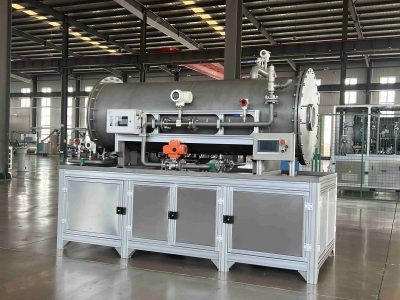
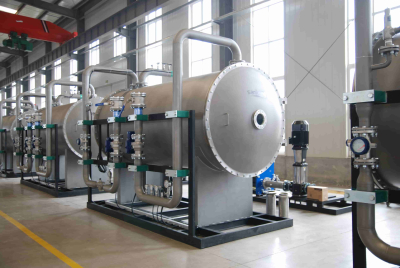
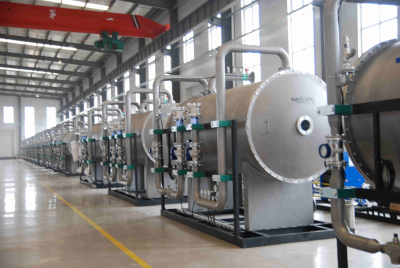
Ozone Generator in Domestic Sewage Treatment
An ozone generator produces ozone (O₃) on‑site via corona discharge. This gas is a powerful oxidant and disinfectant, widely used in municipal wastewater treatment at the tertiary stage – after biological processes.
What It Does
Kills bacteria, viruses, and protozoa faster than chlorine (contact time: 10–30 min).
Breaks down pharmaceuticals, personal care products, and other micropollutants.
Removes colour, odour, and turbidity.
Lowers Chemical Oxygen Demand (COD).
Produces effluent safe for agricultural reuse.
Why Choose Ozone?
| Advantage | Benefit |
|---|---|
| No toxic by‑products | No THMs or HAAs formed |
| No residual toxicity | Ozone decomposes to oxygen |
| No microbial regrowth | Prevents pathogen reactivation |
| Effective in turbid water | Works even with low UV transmittance |
| Improves taste & odour | Better aesthetic quality |
System Design Basics
Dose: 8–60 mg/L depending on organic load.
Contact time: 14–108 seconds (Ct concept).
Injection: Fine bubble diffusers or Venturi injectors.
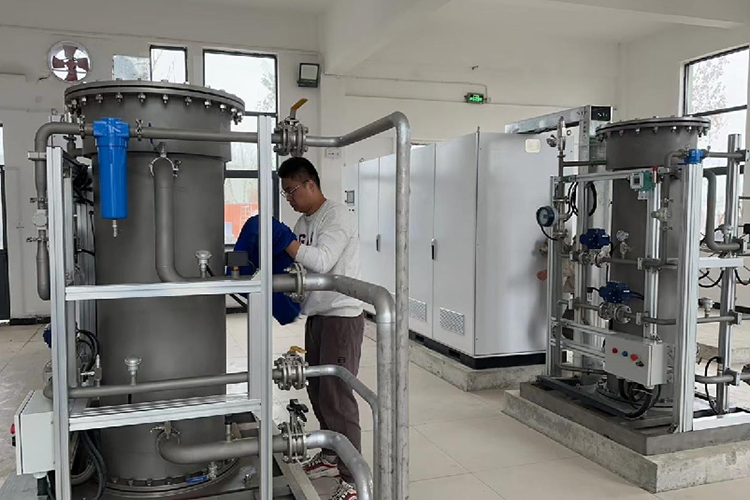
Oxygen source: Liquid oxygen (LOX) or PSA generators.
Off‑gas: Must be destroyed before release.
Limitations
High energy consumption.
Higher capital and maintenance costs.
No residual disinfection – may need post‑treatment.
Sensitive to suspended solids – requires good pre‑treatment.
Possible bromate formation if bromide is present.

Bottom Line
A well‑designed ozone generator delivers superior disinfection and micropollutant removal without persistent chemicals. Though energy and cost challenges remain, efficiency improvements make it a future‑ready choice for stricter discharge standards and water reuse.