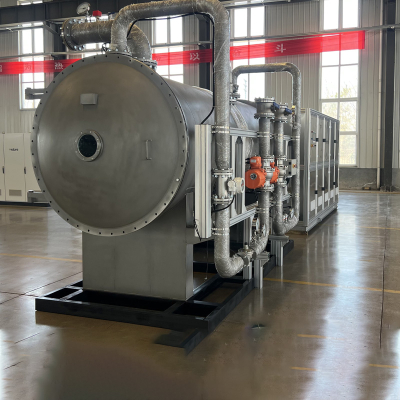
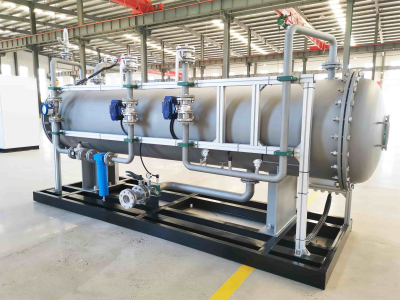
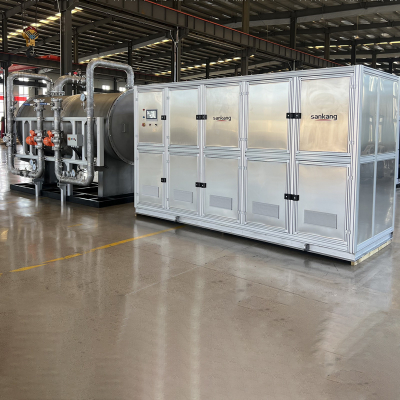
Application of ozone generator in water treatment
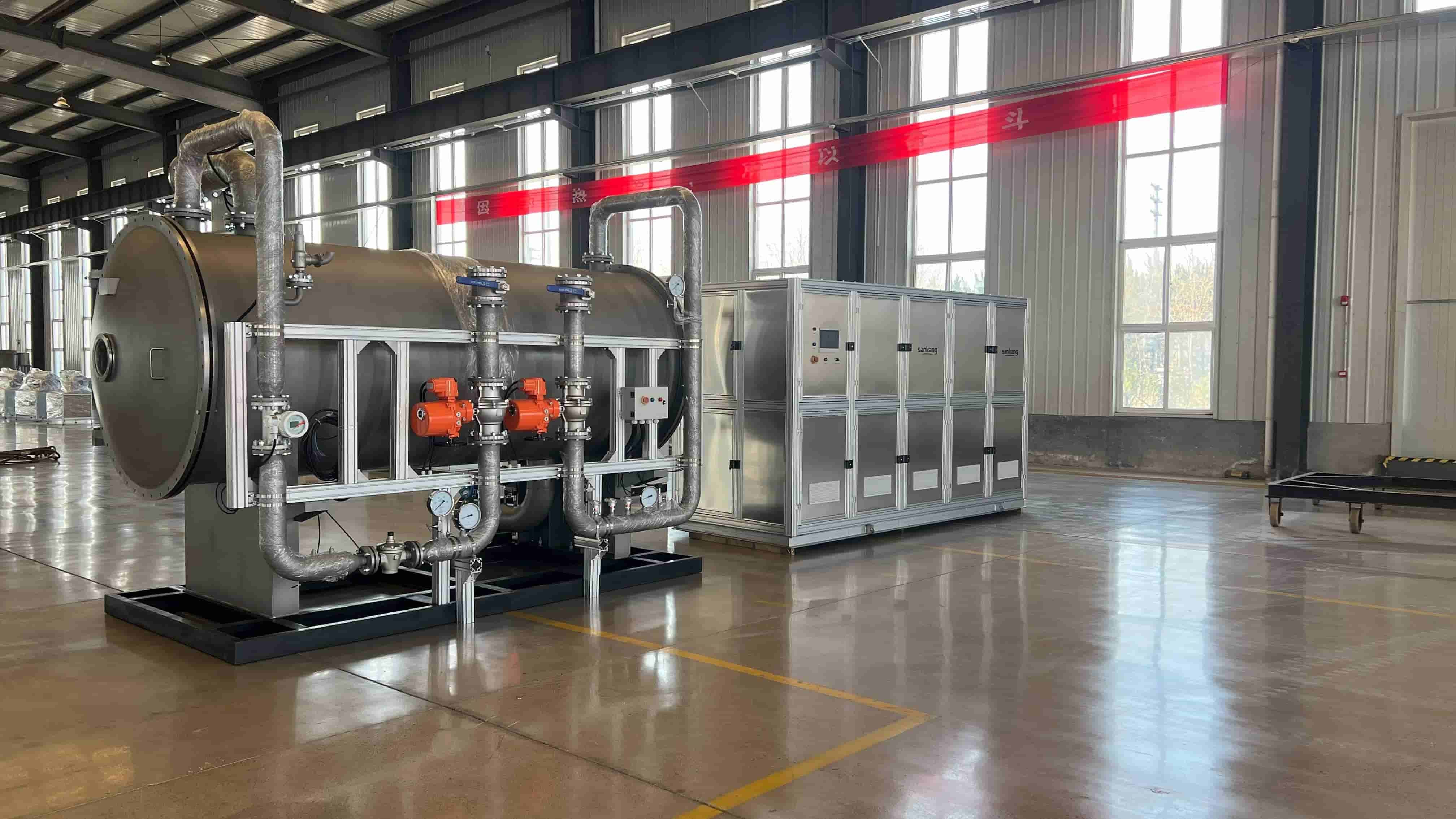
Title: The Advantages of Ozone Generators in Water Treatment
Introduction Ozone generators are increasingly adopted in modern water treatment for their ability to disinfect, oxidize, and improve taste and odor. As a powerful oxidant delivered on demand, ozone offers several distinct advantages over conventional chemical treatments—especially when integrated with downstream filtration and disinfection processes. This article outlines the main benefits, potential caveats, and practical considerations for plants evaluating ozone-based solutions.
Superior disinfection and oxidation
1.Rapid microbial inactivation: Ozone inactivates bacteria, viruses, and protozoa more quickly than many conventional disinfectants, reducing the time needed for effective treatment.
2.Broad-spectrum oxidation: Ozone breaks down complex organic molecules (natural organic matter, taste-and-odor compounds, and many micropollutants) into simpler, more easily treated forms.
3.Pre- and post-treatment flexibility: It can be used as a pre-oxidant to reduce fouling in downstream filters or as a post-oxidant to polish water after primary disinfection.
Removal of taste, odor, and color
1.Odor and color reduction: Ozone reacts with odor-causing compounds (such as geosmin and 2-methylisoborneol) and helps remove color, yielding water that is more 2.palatable to consumers.
3.Consistent quality: Because ozone acts quickly and selectively on problematic compounds, it can deliver noticeable aesthetic improvements across different source waters.
Reduction of disinfection by-products (DBPs) potential
1.Lower reliance on chlorine: Using ozone can reduce or delay chlorine-based disinfection, potentially limiting the formation of certain chlorinated DBPs in the 2.distribution system.
3.Bromate considerations: A caveat is that, in waters containing bromide, ozonation can form bromate, a regulated by-product. Proper process controls and pre-treatment can mitigate this risk.
Compatibility with advanced treatment trains
1.Synergy with biofiltration: Ozonation can help reduce natural organic matter ahead of biological filtration, improving biofilter performance and reducing fouling.
2.Improved downstream performance: Treated water can respond better to UV disinfection or additional polishing steps, enhancing overall safety and quality.
Operational flexibility and safety benefits
1.Chemical handling advantages: Ozone is generated on-site from oxygen or air, reducing the need to transport and handle large quantities of chemical disinfectants.
2.Rapid response and control: Modern ozone generators offer precise dosing and quick on/off capability, enabling plants to respond to changing water quality in real time.
3.Safety considerations: Ozone is hazardous if inhaled and must be contained and properly vented. Equipment integrity, leak detection, and staff training are essential.
Economic and environmental considerations
1.Capital and operating costs: Ozone systems can be cost-effective over time, particularly in plants needing strong oxidation, rapid disinfection, or taste-and-odor removal. However, energy use and equipment maintenance contribute to operating costs.
2.Reduced chemical footprint: By decreasing reliance on chlorine and other chemicals, ozone can lower chemical purchase costs and reduce chemical handling risks.
3.Water reuse and sustainability: Ozonation supports advanced treatment schemes that enable water reuse and better protection of ecosystems.
Practical caveats and when to use ozone
1.Water quality prerequisites: The effectiveness of ozonation depends on water quality (e.g., natural organic matter, bromide concentration, pH). Plants should assess site-specific factors before adoption.
2.Residual management: Ozone leaves little residual in treated water, which can be a benefit or a challenge. In distribution systems, a residual disinfectant may still be needed downstream.
3.System integration: For optimal results, ozone systems should be designed with appropriate contact time, mixing, and off-gas treatment, and integrated with downstream filtration or disinfection steps.
Conclusion Ozone generators bring a compelling mix of disinfection power, oxidation capability, and aesthetic improvements to water treatment. They are particularly advantageous when there is a need to reduce taste-and-odor compounds, handle complex organic contaminants, or streamline downstream processes. Successful implementation requires careful design, site-specific water quality assessment, and robust safety and control measures. If you’re evaluating ozone-based options, a pilot study and a clear life-cycle cost analysis can help you determine the best fit for your plant.